News
Automated Vehicle Inspection for Dealerships: Why It’s Becoming Essential
By ELSCAPE VISION
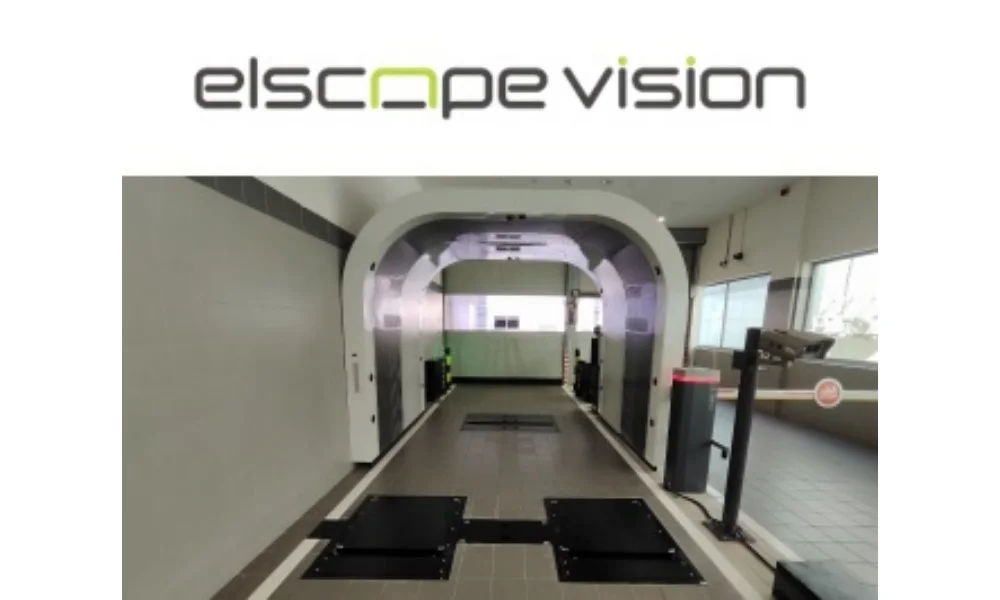
Automated Vehicle Inspection for Dealerships: Why It’s Becoming Essential
As car dealerships face increasing pressure to improve efficiency, transparency, and customer experience, Automated Vehicle Inspection is rapidly becoming an essential tool rather than a “nice to have.” From congested service lanes to rising labor costs and customer expectations, traditional manual inspection methods are no longer enough for modern car dealerships.
This article explores the key challenges dealerships face today, how automated inspection enables faster check-in and check-out, and real-world adoption examples from Europe and Asia.
Service Lane Challenges in Modern Dealerships
The service lane is often the busiest and most critical area in a dealership. However, many dealerships still rely on manual visual inspections, clipboards, or handheld tools. These approaches create several challenges:
Inconsistent inspection results due to human subjectivity
Long check-in times, especially during peak hours
Limited documentation, leading to disputes over pre-existing damage
High labor dependency, making scaling difficult
As vehicle designs become more complex—and as EVs introduce new inspection requirements—manual processes struggle to keep up. For car dealerships aiming to deliver premium service while controlling costs, these inefficiencies directly impact profitability and customer satisfaction.
Faster Check-In and Check-Out with Automated Vehicle Inspection
One of the most immediate benefits of Automated Vehicle Inspection is speed. Advanced systems use high-resolution cameras, AI algorithms, and synchronized sensors to scan a vehicle as it drives through the inspection zone—without stopping.
This enables dealerships to:
Complete a full exterior inspection in seconds
Automatically detect dents, scratches, tire wear, and underbodyissues
Generate standardized digital inspection reports
Reduce service advisor workload
Accelerate both check-in and check-out processes
For customers, this means shorter wait times and greater transparency. For dealerships, it means higher throughput, improved service lane efficiency, and better utilization of staff. Automated inspection also creates reliable visual evidence, reducing disputes and improving trust.
Case Studies: Europe and Asia Leading the Adoption
Across Europe and Asia, many forward-thinking car dealerships have already integrated automated inspection systems into daily operations.
In Europe, dealerships face high labor costs and strict documentation standards. Automated vehicle inspection helps standardize inspections across multiple locations, ensuring consistent quality while reducing dependency on skilled labor. Several dealer groups now use automated inspection at both service intake and vehicle handover, significantly reducing claim disputes and rework.
In Asia, where service volume is often higher and customer expectations for speed are rising, automated inspection supports fast-paced operations. Dealerships report smoother service lane flow, higher customer satisfaction scores, and improved upsell opportunities by clearly visualizing tire wear or body damage.
In both regions, dealerships see automated inspection not just as a technical upgrade, but as a strategic investment in operational excellence.
Why Automated Vehicle Inspection Is No Longer Optional
For modern car dealerships, automated inspection delivers measurable value:
Faster service lane operations
Improved inspection accuracy and consistency
Enhanced customer trust through visual evidence
Scalable processes for growing dealership networks
As competition intensifies and digital transformation accelerates, Automated Vehicle Inspection is becoming a foundational capability—helping dealerships operate smarter, faster, and more transparently.
Dealerships that adopt early gain a clear advantage. Those that delay may soon find themselves struggling to meet both operational demands and customer expectations in an increasingly automated automotive world.
